Bookkeeping
Bookkeeping Basics for Freelancers
You don't need to become an accountant. You need a system simple enough to actually maintain every month — here's the minimum version that works.

Bookkeeping has a reputation problem. It sounds like a specialized skill, so freelancers avoid it until tax season forces the issue — at which point it's a stressful backlog instead of a five-minute weekly habit. The actual system freelancers need is much smaller than the word "bookkeeping" implies.
The monthly cycle
Almost every sustainable freelance bookkeeping system boils down to the same four steps, repeated monthly:
- Categorize every transaction in your business account — income by client or project, expenses by type (software, travel, supplies, etc.).
- Reconcile your bookkeeping records against your actual bank and credit card statements, making sure nothing's missing or duplicated.
- Review your profit and loss — income minus expenses for the month — to see the real trend, not just the balance in your account.
- Set aside your tax percentage from that month's profit, using the method in our tax savings guide.
Thirty minutes a month, done consistently, replaces what would otherwise be a full weekend of reconstruction come tax season.
What to actually track
- Income by client and date, ideally matched to invoices sent.
- Expenses by category — see our Tax Deduction Checklist for the categories worth setting up from day one.
- Mileage, if you drive for business purposes, logged at the time of the trip rather than reconstructed later.
- Accounts receivable — who owes you money and since when, so nothing falls through the cracks.
Spreadsheet or software?
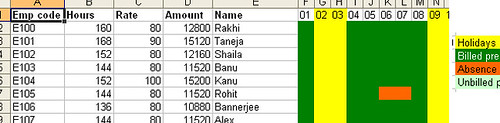
A spreadsheet can genuinely work at low transaction volume — a handful of clients, simple recurring expenses. It breaks down once volume increases, because manual entry invites errors and eats time you'd rather spend on client work. Software that connects directly to your bank account (see our Software Reviews) auto-imports transactions and dramatically cuts the time cost of the monthly cycle above.
Cash vs. accrual accounting
Most freelancers use cash-basis accounting: income counts when you receive it, expenses count when you pay them. It's simpler and matches how a one-person business actually experiences cash flow. Accrual accounting — recording income when earned and expenses when incurred, regardless of when money changes hands — is more common for larger businesses with inventory or significant timing gaps between invoicing and payment, and generally isn't necessary for most freelancers.
Reading your profit and loss statement
A profit and loss (P&L) statement is simply income minus expenses over a period — but reading it monthly (not just at tax time) reveals trends a single bank balance hides: which months are strongest, which expense categories are creeping up, and whether your pricing is keeping pace with your costs.
Frequently asked questions
Free Agent Finance Editorial Team
This guide reflects common practice for solo freelance businesses, not a substitute for a bookkeeper's individualized advice. Have a correction? Let us know.