Bookkeeping
How to Track Business Expenses as a Freelancer
Every untracked expense is a deduction you're quietly giving up. Here's a system simple enough to actually maintain.


Tracking expenses well isn't about perfectionism — it's about capturing enough detail, close enough to the time of purchase, that you can confidently claim every deduction you're entitled to without a stressful reconstruction project every April.
What to capture for every expense
- Date and amount — usually automatic if paid from a business account or card.
- Category — matched to your deduction checklist categories, so tax-time reporting is just a summary, not a reconstruction.
- Business purpose — a short note, especially for expenses that could look ambiguous later (a meal, a conference, a piece of equipment with mixed use).
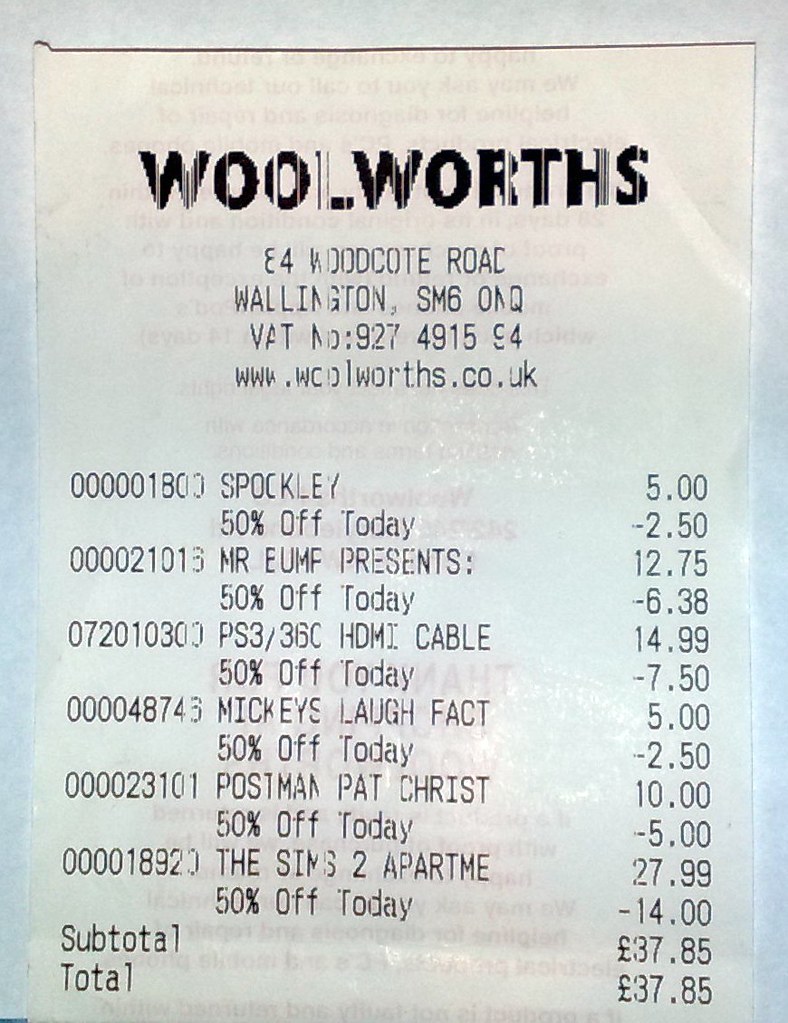
- Receipt or documentation — a photo or forwarded email receipt, filed alongside the transaction if your software supports attachments.
Do you need to keep every paper receipt?
Not literally every one. A clear bank or card statement, combined with a brief note on business purpose, is generally sufficient documentation for most expenses. Receipts add a helpful extra layer of proof, particularly for larger purchases, but the core requirement is being able to substantiate the business purpose, not preserving every paper slip.
Log expenses close to the time of purchase
The single biggest failure mode isn't forgetting to track expenses — it's waiting too long. A purchase logged the same week is easy to categorize accurately; the same purchase reconstructed from memory three months later, without the context of what else was happening that day, is where details (and deductions) get lost or mislabeled.
Tools that make this close to automatic
Accounting software that connects directly to your business bank account (see our Software Reviews) pulls transactions automatically and lets you assign categories in seconds, rather than manually re-entering every purchase. Pairing this with a dedicated business account means nearly every transaction that shows up is presumptively a business expense already.
Frequently asked questions
Free Agent Finance Editorial Team
Have a correction? Let us know.