Taxes
Home Office Deduction: Simplified vs Actual Expense Method
One of the most commonly claimed — and most commonly second-guessed — freelancer deductions. Here's how both calculation methods work, side by side.

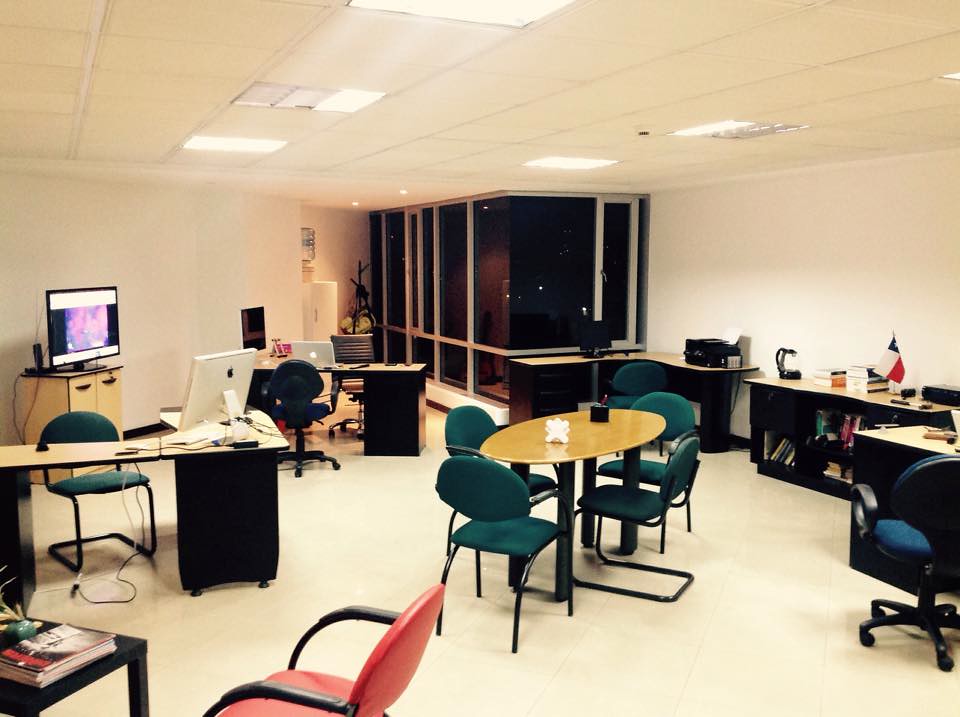
The home office deduction has an outsized reputation for triggering audits — a reputation that's largely outdated. Claimed correctly, with a genuine dedicated workspace, it's one of the more reliable deductions available to freelancers who work from home.
Does your space qualify?
The IRS test is "regular and exclusive use": the space must be used consistently for business, and not for meaningful personal use. A spare bedroom converted to an office qualifies even if it's not a whole room — a clearly defined desk area within a larger room can also qualify, provided that specific area is exclusively business.
The simplified method
Introduced to reduce paperwork, the simplified method lets you deduct $5 per square foot of office space, up to 300 square feet — a maximum deduction of $1,500. No need to track utility bills or calculate percentages; just measure the space.
The actual expense method
This method calculates the percentage of your home used for business (office square footage ÷ total home square footage), then applies that percentage to actual costs: rent or mortgage interest, utilities, homeowners/renters insurance, and repairs. For a 200 sq ft office in a 2,000 sq ft home, that's a 10% business-use percentage applied to the full year of qualifying expenses.
Which one saves more
| Scenario | Likely better method |
|---|---|
| Small office, low housing costs, wants simplicity | Simplified method |
| Large office relative to home size, or high rent/mortgage/utilities | Actual expense method |
| Doesn't want to track and retain utility bills all year | Simplified method |
| Home office space exceeds 300 sq ft | Actual expense method (simplified caps at 300 sq ft) |
You can compare both methods at tax time and choose whichever produces a larger deduction for that year — you're not locked into one method permanently, though switching methods on a home you've claimed depreciation for under the actual method involves additional rules worth reviewing with a CPA.
A worked example comparing both methods
Consider a freelance graphic designer with a 240 sq ft home office in a 2,400 sq ft rented house, paying $24,000 a year in rent, $3,600 in utilities, and $600 in renters insurance:
- Simplified method: 240 sq ft × $5 = $1,200 deduction.
- Actual expense method: business-use percentage is 240 ÷ 2,400 = 10%. Applied to $28,200 in eligible home expenses (rent + utilities + insurance) = $2,820 deduction.
In this case, the actual expense method delivers more than double the deduction — because the home's overall costs are high enough that even a modest 10% business-use share outweighs the simplified method's flat rate. Run both calculations every year rather than assuming last year's better option still wins, since rent, utilities, and office size can all shift the answer.
Depreciation and recapture for homeowners
Freelancers who own their home rather than rent can also deduct a percentage of home depreciation each year under the actual expense method, based on the same business-use percentage. This adds up meaningfully over time — but it comes with a catch: when the home is eventually sold, any depreciation claimed for the home office generally must be recaptured — reported and taxed — even if the sale of the home itself otherwise qualifies for the primary residence capital gains exclusion. This recapture rule is one of the few real long-term downsides of the actual expense method for homeowners, and it's worth discussing with a tax professional if the deduction has been claimed for many years before a planned sale.
What actually raises audit risk — and what doesn't
The home office deduction's reputation for triggering audits comes largely from decades-old rules that required a much stricter "principal place of business" test. Current rules are considerably more lenient. What does still increase scrutiny: claiming a deduction disproportionately large relative to reported income, claiming an entire room that's obviously also used for personal purposes, or reporting inconsistent square footage from year to year without explanation. A modest, consistent, well-documented claim — the same space, calculated the same way, year after year — is not a red flag by itself.
Frequently asked questions
Free Agent Finance Editorial Team
Have a correction? Let us know.